
Polybutylene (PB) pipe is a flexible gray, blue or black plastic water supply pipe stamped “PB2110,” installed in US homes from 1978 to 1995. PB turns brittle and cracks from the inside, so homes with PB carry a high leak risk until the pipe is replaced.
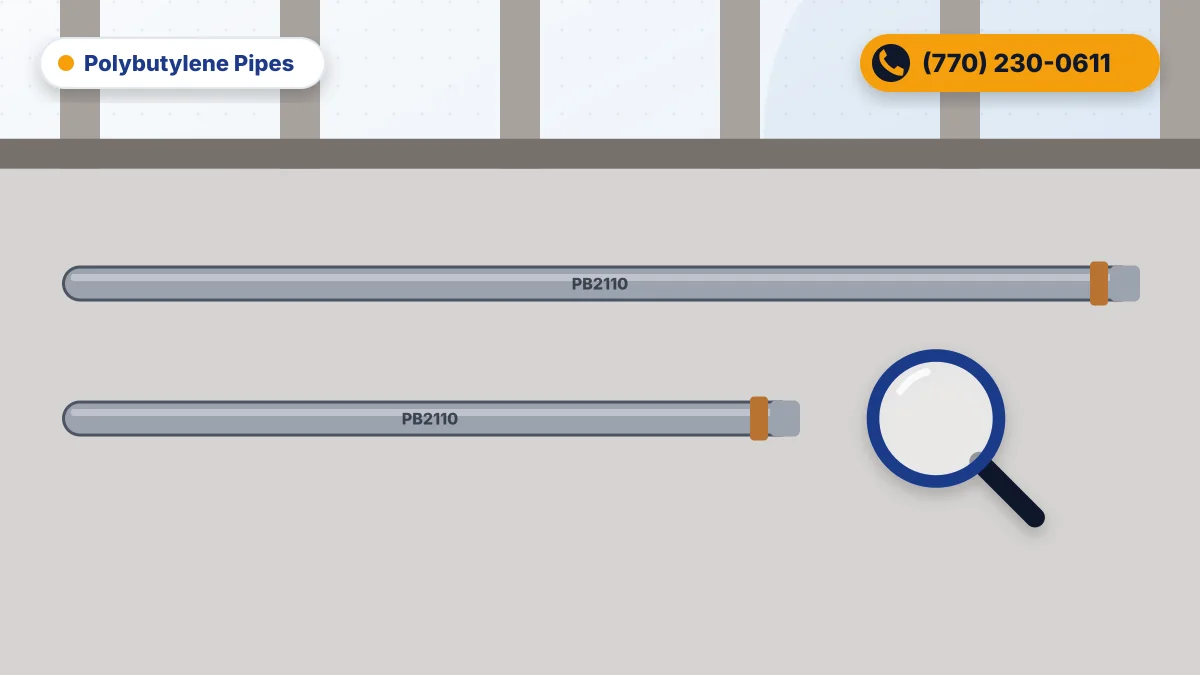
Polybutylene is a plastic resin used for water supply pipe because it was cheap and easy to install. Failures led to the 1995 Cox v. Shell Oil class action settlement of $950 million, covering PB plumbing installed from January 1, 1978 to July 31, 1995. Our polybutylene replacement and repiping service in Marietta removes PB from Cobb County homes.
Why Does Polybutylene Pipe Fail?
Polybutylene pipe fails because oxidants such as chlorine in public water attack the plastic, making it brittle until it flakes and cracks from the inside. The outside of the pipe looks normal while the inside wall thins.
PB fails in 3 ways:
- Inside-out cracking. The pipe wall weakens and splits without warning.
- Fitting failure. Plastic fittings crack and crimp rings loosen.
- Pinhole leaks. Small leaks hide inside walls and ceilings.
Because the damage starts inside, a PB system that looks fine still leaks without warning.
Where Do You Look for Polybutylene Pipe?
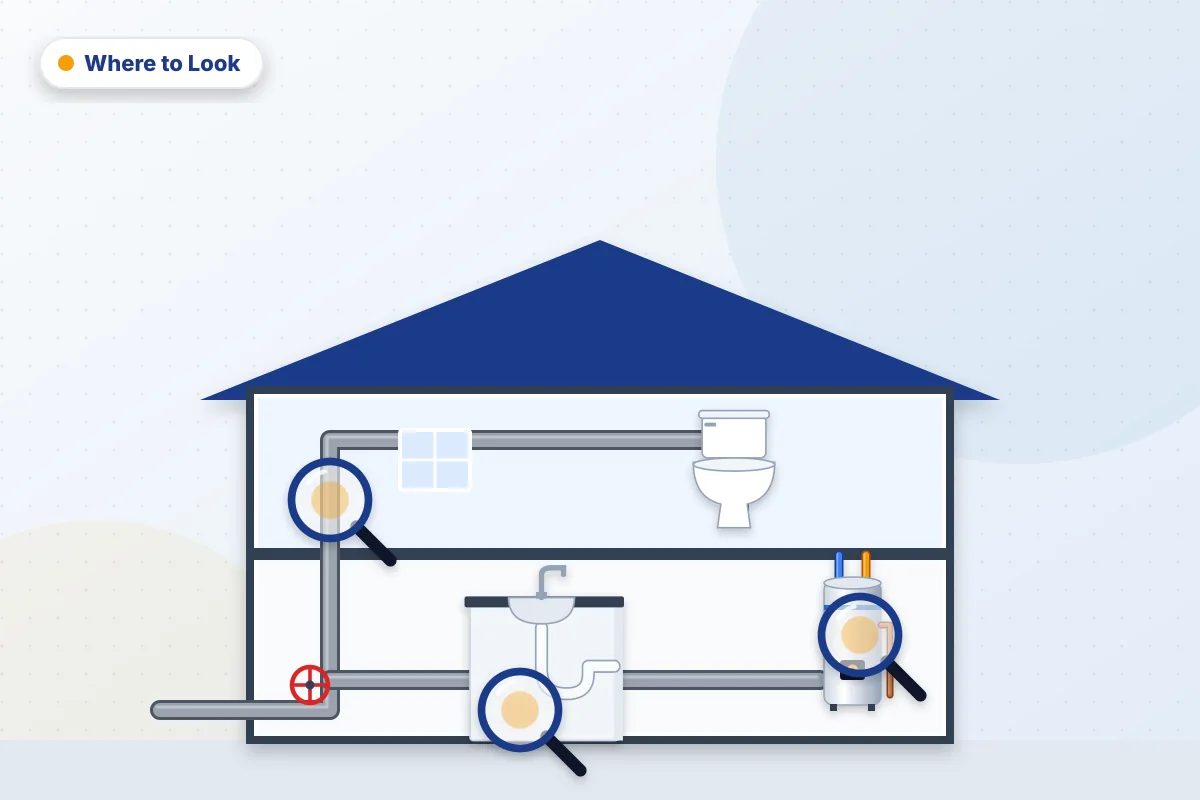
Look for polybutylene pipe at the water heater, under sinks, near the main shutoff and water meter, and in the attic, crawl space or basement.
| Location | What to check |
|---|---|
| Water heater | Supply lines entering and leaving the top of the tank |
| Under sinks | Pipes behind the shutoff valves |
| Main shutoff | Pipe entering the home |
| Water meter | Blue underground service line |
| Attic, crawl space, basement | Exposed runs of supply pipe |
Short stub-outs under sinks are sometimes copper even in a PB home. Check the exposed runs in the attic or crawl space to see the main pipe material.
How Do You Identify Polybutylene Pipe?
Identify polybutylene by 3 traits: a flexible gray, blue or black plastic body, the stamp “PB2110,” and plastic or metal crimp-ring fittings.
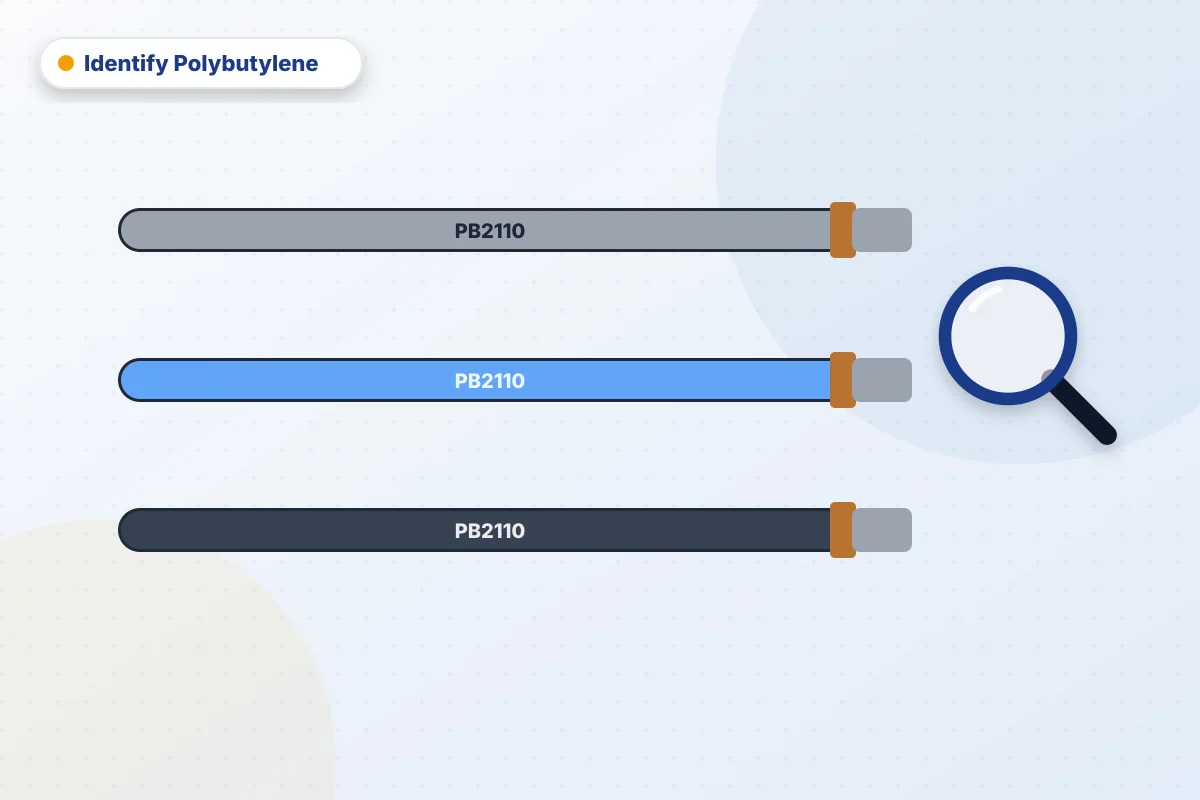
- Color. Gray PB usually runs inside the home. Blue PB often serves as the underground service line. Some systems use black PB.
- Stamp. Look for “PB2110” printed along the pipe.
- Fittings. Gray or white plastic fittings, or copper or aluminum crimp rings, join the pipe.
How Is Polybutylene Different From PEX?
PEX is stamped “PEX” and is often red, blue or white, while polybutylene is stamped “PB2110” and is gray, blue or black. PEX is a modern, approved replacement material. Blue PEX and blue PB look alike, so the stamp decides.
| Pipe | Look | Stamp | Status |
|---|---|---|---|
| Polybutylene (PB) | Flexible; gray, blue or black | PB2110 | Failure-prone, replace |
| PEX | Flexible; red, blue or white | PEX | Modern replacement pipe |
| CPVC | Rigid; cream or light yellow | CPVC | Modern rigid plastic |
What Are the Risks of Keeping Polybutylene Pipe?
Keeping polybutylene pipe risks sudden leaks, water damage inside walls and ceilings, higher insurance scrutiny and problems at home sale.
- Sudden leaks. A cracked PB pipe releases water at full supply pressure.
- Hidden damage. Pinhole leaks soak drywall, subfloors and insulation before anyone notices.
- Insurance review. Insurers review homes with PB plumbing during underwriting.
- Resale problems. Home inspectors flag PB in inspection reports, and buyers ask for replacement or credit.
A slow, hidden leak from PB pipe shows up first on the water meter. Our guide to checking a home for leaks you cannot see explains the meter test.
Can You Still File a Polybutylene Claim?
No. The claim period for the Cox v. Shell Oil settlement has closed, so homeowners pay for polybutylene replacement today.
How Do You Replace Polybutylene Pipe?
Replace polybutylene pipe with a whole-house repipe in PEX or copper, which removes every PB run and fitting. Spot repairs fix one leak, but the rest of the PB system keeps aging.
| Option | What it fixes | Long-term result |
|---|---|---|
| Spot repair | One leaking section or fitting | Remaining PB keeps failing |
| Whole-house repipe in PEX | All supply lines | Flexible, fewer fittings |
| Whole-house repipe in copper | All supply lines | Rigid metal, long service life |
A repipe follows 5 steps: inspect, plan new routes, run new lines, connect fixtures, and pressure test and patch walls. Permitted work passes a local inspection.
Related Pipe Guides
Frequently Asked Questions
What years was polybutylene pipe used?
Polybutylene pipe was installed in US homes from 1978 to 1995.
How do I know if my house has polybutylene pipes?
Look for flexible gray, blue or black plastic pipe stamped “PB2110” at the water heater, under sinks and near the main shutoff.
Is polybutylene pipe still legal?
Polybutylene pipe is no longer installed, and existing PB systems stay in place until the owner replaces them. Inspectors and insurers flag it.
Does homeowners insurance cover polybutylene pipes?
Coverage depends on the insurer. Insurers review homes with PB plumbing, and some ask for replacement.
Is it worth replacing polybutylene before selling a house?
Yes. Replacing polybutylene before a sale removes an inspection flag. Buyers often ask for replacement or a price credit.
Polybutylene Pipe in Your Home?
Gray or blue plastic pipe stamped PB2110? Call (770) 230-0611. Plumber Marietta GA confirms the pipe type and gives a written repipe price.